Generative Artificial Intelligence has quickly become one of the most transformative technology trends of 2026. From writing detailed articles to generating photorealistic digital artwork, generative AI tools have redefined human-computer collaboration. However, understanding generative AI does not require a degree in computer science. This simple beginner’s guide breaks down how generative AI works, its most popular applications, and essential best practices for everyday users.
1. What Is Generative AI? A Simple Definition
Generative AI refers to a category of artificial intelligence algorithms that can create brand new content based on patterns learned from existing data. Unlike traditional AI systems that only analyze or categorize data, generative AI generates novel text, images, audio, code, and video in response to simple human prompts.
2. How Text and Image AI Generators Work
To understand generative AI, think of it as a super-advanced pattern recognition engine. During training, these models ingest vast datasets—such as millions of books or images paired with text descriptions.
- Large Language Models (LLMs): Text generators (like ChatGPT or Gemini) calculate the statistical probability of the next most logical word in a sentence based on their training context.
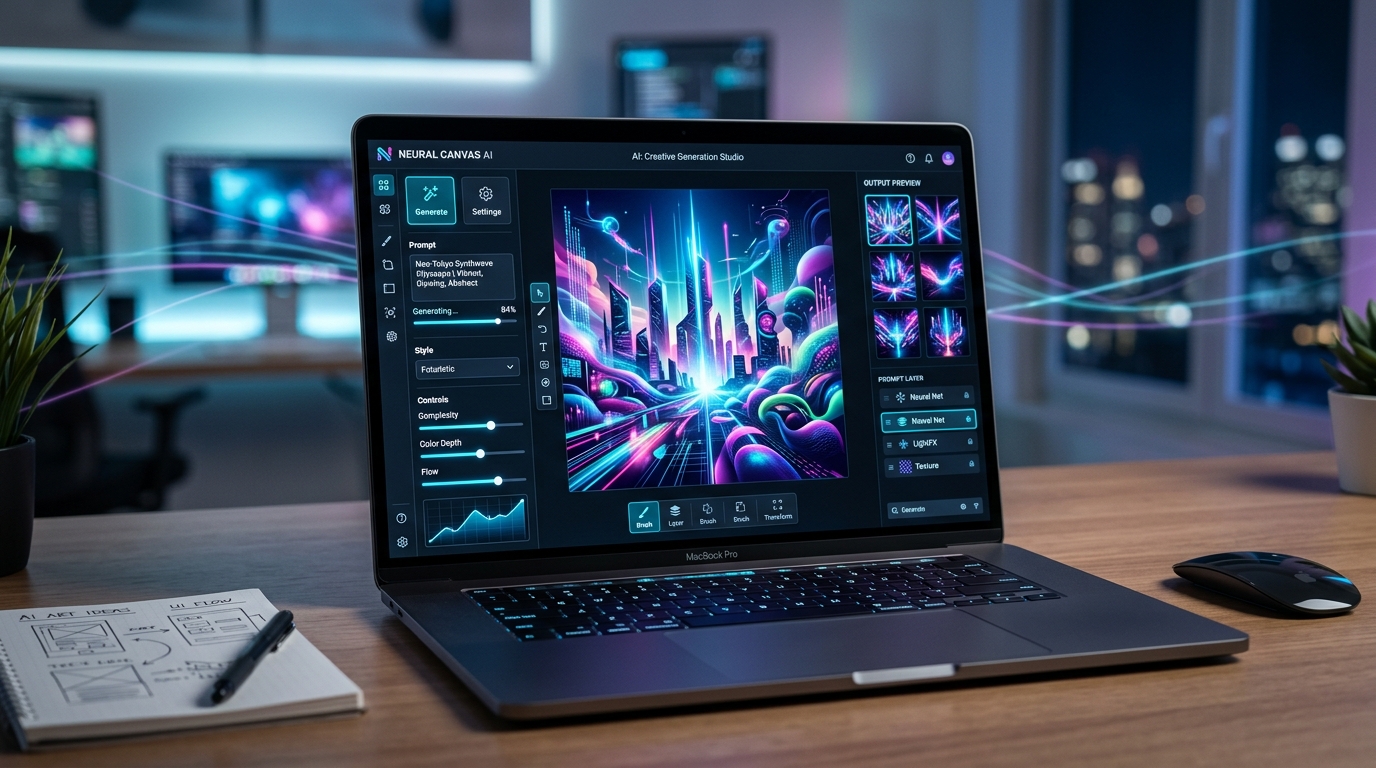
- Diffusion Models: Image generators (like Midjourney or DALL-E) start with random digital noise and gradually refine it step-by-step into a crisp image matching your descriptive prompt.
3. Top Real-World Applications of Generative AI
Generative AI is currently utilized across various personal and professional industries:
- Content Creation & Marketing: Drafting social media posts, email newsletters, and blog outlines in seconds.
- Visual Design & Concept Art: Creating mockups, website banners, and storyboards without specialized graphic design software.
- Software Development: Assisting programmers by suggesting code snippets, finding syntax errors, and explaining complex code logic.
4. Best Practices for Beginners Using Generative AI
- Be specific with your prompt description, specifying context and tone.
- Always verify factual information, as generative AI can occasionally hallucinate incorrect facts.
- Use AI as a creative brainstorming partner rather than relying on it for unedited final work.
Frequently Asked Questions (FAQ)
Q1. Is generative AI content copyright protected?
Copyright laws regarding purely AI-generated content vary globally, but human editing and original creative input are generally required to claim intellectual property rights.
Q2. What is the best free generative AI tool for beginners?
Free tools like OpenAI’s ChatGPT, Google Gemini, and Microsoft Copilot provide excellent starting points for text generation, while Microsoft Designer provides free access to image creation tools.
Conclusion
Understanding generative AI empowers you to use these powerful digital tools effectively while maintaining critical thinking. By embracing generative technology as an assistant, you can boost your creative and technical output throughout 2026.